
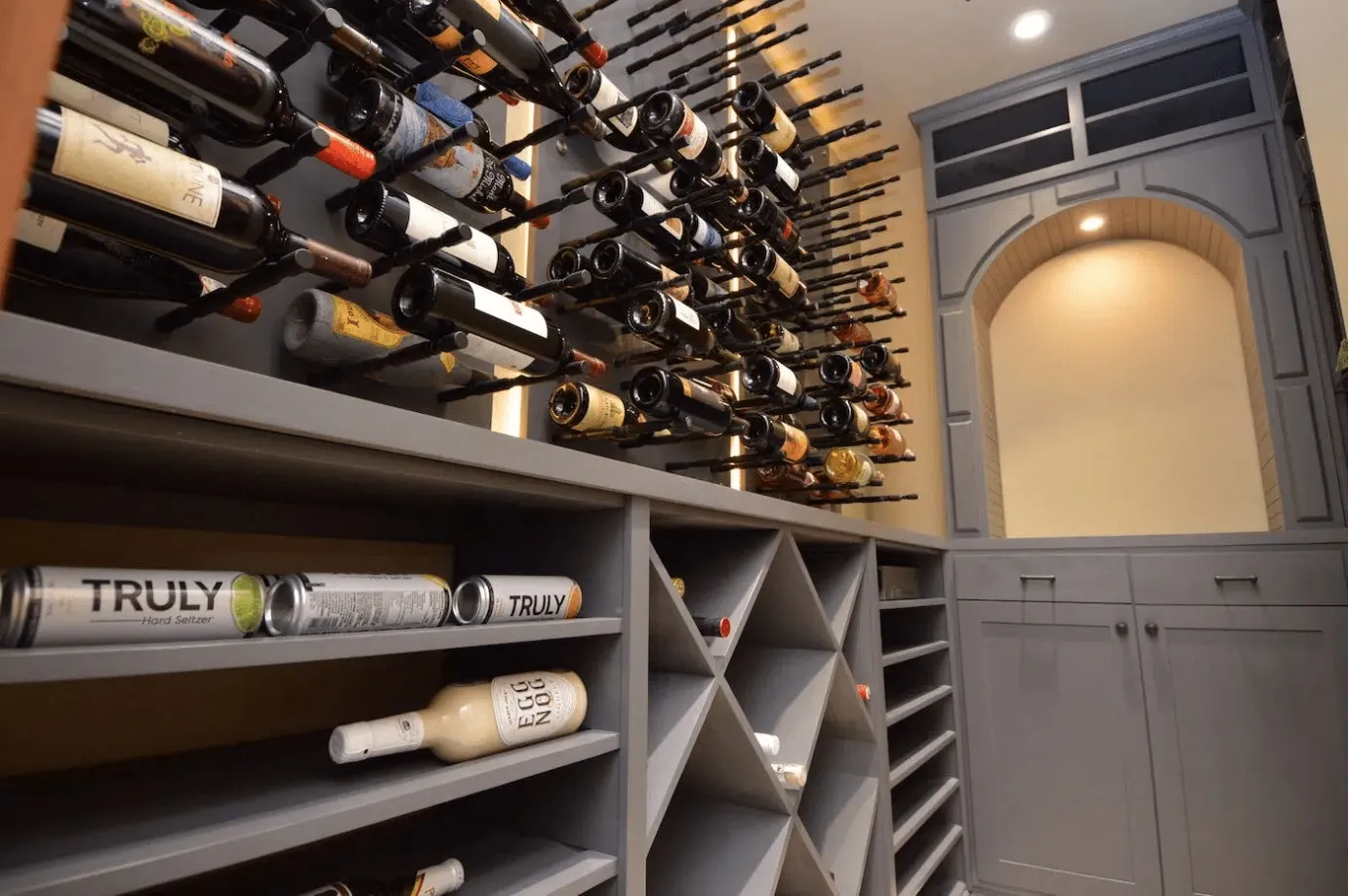
Basements are a natural home for wine, since the ground keeps temperatures steady and the room is tucked out of the way. Still, a damp slab and a low ceiling aren’t a cellar yet. If you’re curious about building luxury home wine cellars, knowing the sequence of work makes the whole process far less mysterious and a lot less stressful for everyone living upstairs.
Phase One: Assessing the Space
Everything begins with a close look at the room. Moisture readings, ceiling height, electrical capacity and the position of drains all shape the plan. A basement that leaks has to be fixed before anything else goes in, or the problem simply returns and quietly undermines every dollar spent afterward on finishes.
This stage also settles the brief: how many bottles, what style, and how often you’ll entertain down there. Decisions made here save arguments and costly change orders later, when walls are closed, materials are already on site, and moving a doorway means opening a freshly finished wall again. Surprises often hide behind old walls, so early inspection pays off.
Phase Two: Mechanical and Moisture Work
Behind the walls, the climate system takes shape. A reliable wine cellar refrigeration setup is chosen from the heat-load numbers, then positioned so airflow and noise suit the rest of the house. Condensate drains and electrical runs are planned at the same time. Planning the drainage route early avoids awkward changes later.
Insulation and vapor barriers go up alongside it. Foam is sealed at every joint, and the door frame is built to match. Once the drywall closes, none of this can be inspected again, so it’s worth getting it right the first time, and worth asking for photos of the work before the walls are covered. Photographs taken before the walls close make future repairs far simpler.
Phase Three: Framing, Racking and Finishes
With the shell tight, carpenters install the racking, trim and flooring. Custom pieces are measured on site, because basement walls are rarely perfectly square and a few millimeters can throw a whole run of shelving off, leaving gaps that catch the eye in an otherwise careful room. Measuring twice, then cutting once, really does matter here.
Lighting follows, along with door hardware and final paint. This is the phase where the room starts to look like the renderings, and homeowners usually enjoy stopping by to watch it come together after weeks of dusty, unglamorous work behind closed doors and plastic sheeting. Good trim work hides these small imperfections beautifully.
Phase Four: Testing and Settling In
Before any bottle goes inside, the system should run for a while. Technicians check that temperature and humidity hold steady, that the door seals properly and that the monitors report accurately. Fixing a small problem now is far easier than chasing it with a full cellar.
Loading comes next. Move wine in gradually, watching how the room responds as thermal mass increases. Small tweaks at this point are normal and make the setup perform better over the long term, so don’t be alarmed if the technician returns once or twice during the first month. Keep a log of readings during this first stretch.
Does It Pay Off?
Storage that protects wine at stable conditions saves bottles that might otherwise spoil. For serious collectors, avoiding even a few ruined cases covers a meaningful share of the cost, and it removes a constant worry about the weather, power cuts and the slow drift of an old, poorly insulated storage space.
Many buyers also see a finished cellar as a premium feature. Appraisers don’t promise a fixed return, but a well-built room tends to help a home stand out in a competitive market and gives showings a memorable moment, which can matter when several similar houses are listed at once. It also adds a sense of pride every time you walk downstairs.
Planning Your Own Build
A basement project runs smoothly when someone coordinates the trades and keeps the schedule honest. A conversation with customwinecellar.com can map out a realistic timeline and budget for your particular house, including the awkward details that only show up once someone visits and measures.
The finished room should feel effortless, though a lot of careful work hides behind it. That quiet preparation is what lets a cellar perform for decades, long after the dust has settled and the first favorite bottle has been opened to celebrate the end of what was a long and rewarding project. Honest planning now saves frustration and money later on.