
Wedding fashion is no longer limited to brides and women’s ethnic wear. Over the years, men’s wedding styling has evolved significantly, introducing elegant silhouettes, richer fabrics, and modern interpretations of traditional outfits. Today, men are paying equal attention to wedding fashion, choosing outfits that feel stylish, comfortable, and occasion-appropriate.
Among the many options available in ethnic menswear, wedding dresses for men and a stylish kurta with dupatta for men have become increasingly popular for wedding celebrations, festive occasions, and cultural events. Whether attending as a groom, groom’s brother, wedding guest, or family member, selecting the right outfit can elevate overall appearance while maintaining traditional elegance.
As wedding celebrations become more fashion-conscious, understanding how to style ethnic menswear for different occasions has become more important than ever.
The Shift in Men’s Wedding Fashion
Traditional menswear has always played an important role in Indian celebrations. However, modern wedding fashion has transformed significantly, moving beyond simple sherwanis and classic kurtas.
Men today are experimenting with:
-
Layered ethnic outfits
-
Embroidered jackets
-
Dupatta styling
-
Rich textures and fabrics
-
Contemporary cuts and silhouettes
This shift reflects a growing interest in personal style, especially during weddings where fashion has become an important part of the celebration experience.
Instead of relying on one outfit for multiple events, many men now prefer occasion-specific ethnic looks.
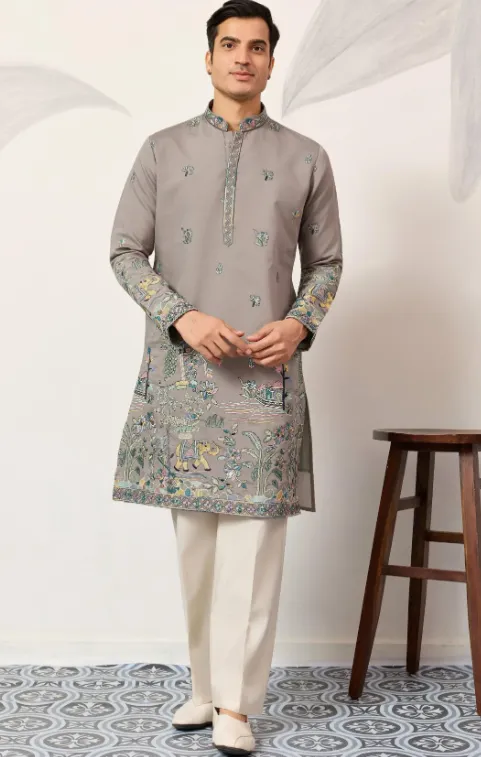
Understanding Modern Wedding Fashion for Men
Choosing the right wedding dresses for men depends largely on the event, season, and level of formality.
Wedding celebrations often include:
-
Engagement ceremonies
-
Haldi and mehendi functions
-
Sangeet nights
-
Wedding rituals
-
Reception celebrations
Since every event carries a different mood, outfit selection also changes accordingly.
For daytime functions, lighter colors and breathable fabrics often work best. Evening events, however, allow richer tones and heavier embroidery that feel more luxurious.
This growing variety has made men’s ethnic fashion much more versatile than before.
Why Kurta with Dupatta for Men Is Becoming Popular
Ethnic menswear has embraced accessories more confidently in recent years, and one trend gaining popularity is the kurta with dupatta for men.
Traditionally associated with royal and festive dressing, dupattas are now making a strong comeback in men’s fashion, especially during weddings.
A dupatta instantly adds:
-
Traditional elegance
-
Regal appeal
-
Layered styling
-
Visual richness to simpler kurtas
Many men now prefer pairing embroidered or solid kurtas with contrasting dupattas for wedding celebrations.
This trend works particularly well for groomsmen, brothers of the bride or groom, and men attending grand family events.
How Men Can Dress for Different Wedding Functions
Wedding styling becomes much easier when outfits match the mood of the event.
Mehendi and Haldi Functions
Pre-wedding ceremonies often involve movement, outdoor celebrations, and vibrant colors.
Men attending these functions usually prefer:
-
Lightweight kurtas
-
Comfortable fabrics
-
Bright festive shades
A pastel or lightly embroidered kurta with dupatta for men can create a festive yet effortless appearance for daytime celebrations.
Sangeet and Cocktail Nights
Evening events allow more experimentation with fashion.
Men often choose:
-
Layered kurtas
-
Embroidered jackets
-
Rich fabrics
-
Darker color palettes
Deep shades like navy blue, emerald green, maroon, and black often work beautifully for evening functions.
Wedding Day Styling
Formal wedding ceremonies often call for grander ethnic outfits. Richly embroidered sherwanis, structured kurtas, or elegant layered ensembles remain among the preferred wedding dresses for men for traditional ceremonies.
Subtle accessories, elegant footwear, and refined detailing often create the most polished appearance.
How Small Styling Details Change the Entire Look
In men’s ethnic fashion, smaller elements often make a bigger impact than expected.
Dupatta Draping
The way a dupatta is styled can instantly change the overall appearance of an outfit. A neatly draped dupatta creates a regal and polished look without appearing excessive.
Footwear Selection
Traditional footwear such as mojaris or embroidered juttis often completes ethnic wedding looks more effectively than western shoes.
Layering Pieces
Nehru jackets, embroidered shawls, or layered kurtas help create a more refined festive appearance.
Color Coordination
Matching outfits according to event themes or wedding color palettes often creates a more polished and memorable look.
Why Comfort Matters in Wedding Fashion
Wedding functions usually involve long celebrations, photographs, rituals, and constant movement.
Because of this, choosing comfortable ethnic wear becomes just as important as selecting stylish outfits.
Breathable fabrics, proper fitting, and easy movement often make a noticeable difference throughout long celebrations.
Men increasingly prefer outfits that balance elegance with practicality rather than choosing heavily layered looks that feel restrictive.
Conclusion
Men’s ethnic fashion continues to evolve as weddings become more style-focused and personalized. Traditional kurtas are now styled with modern cuts, layered accessories, and refined detailing that feel both fashionable and culturally rooted.
Whether it is a statement outfit for a grand ceremony or a thoughtfully styled kurta with dupatta for men, modern ethnic wear offers countless ways to dress elegantly for celebrations.
At the same time, selecting the right wedding dresses for men depends on comfort, occasion, and personal style preferences. With thoughtful outfit choices and subtle styling details, men can create timeless ethnic looks that feel both traditional and contemporary for every wedding celebration.